Ada Lovelace
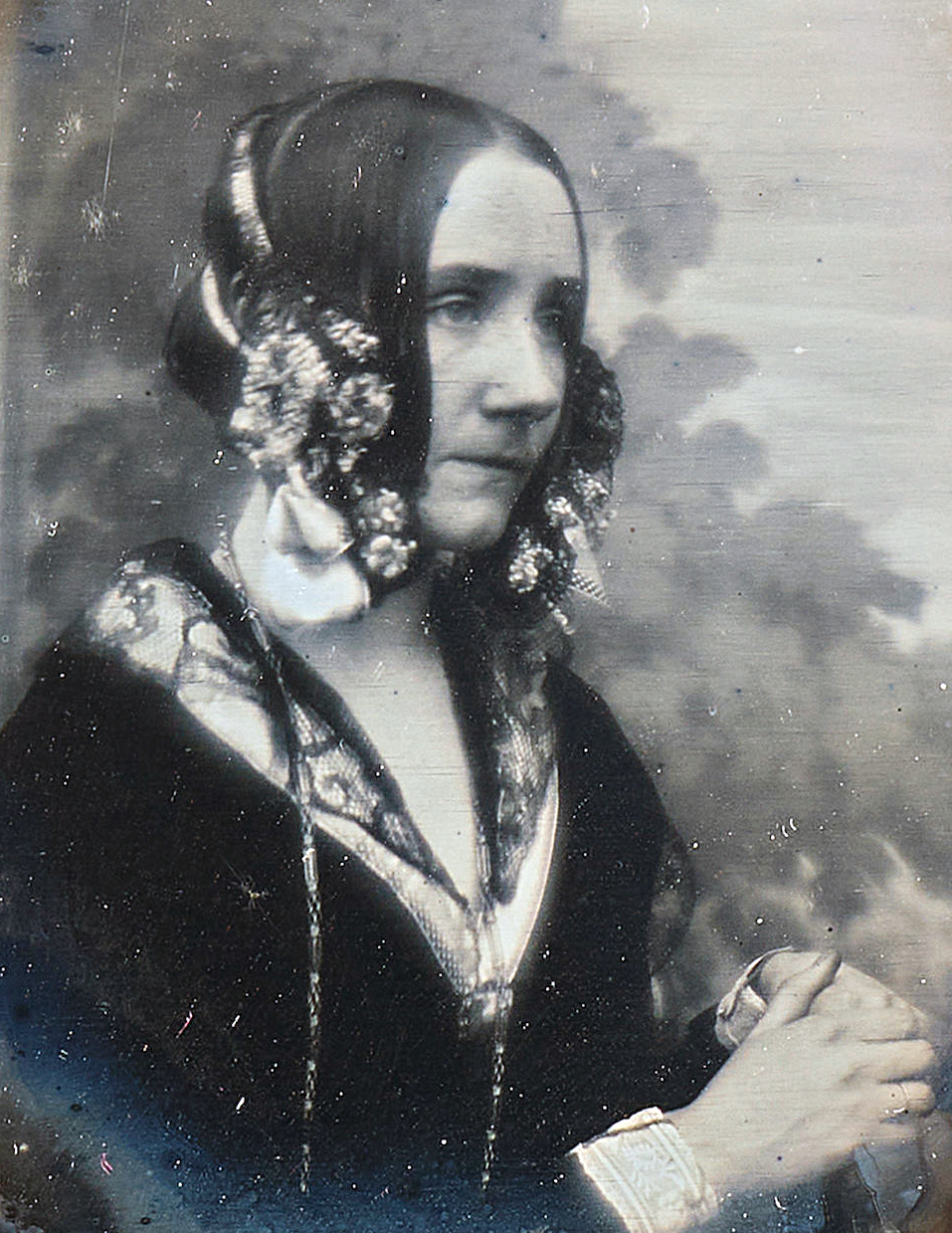
Summary: Ada Lovelace was a brilliant Victorian mathematician who, in August 1843, transformed the theoretical potential of mechanical calculation into the first conceptual framework for universal computation, effectively inventing the discipline of computer programming.
On August 1, 1843, Ada Lovelace finalized a set of explanatory notes regarding the Analytical Engine, a revolutionary mechanical device proposed by Charles Babbage. While most of her contemporaries viewed such machines merely as tools for advanced arithmetic, Lovelace correctly identified that a machine capable of manipulating symbols according to logical rules could process more than just numbers—it could process information of any kind. Her work, published in London, laid the philosophical foundation for all software development that followed.
| Historical Attribute | Milestone Registry Value |
|---|---|
| Classification Type | person |
| Chronological Date | 1843-08-01 |
| Coordinates / Location | London, UK |
| Curation Authority | Nick Hodder + MIA |
| Milestone Importance | godfather Milestone |
How does Ada Lovelace fit into the history of artificial intelligence?
Lovelace occupies the foundational role in the lineage of computation that eventually produced the Alan Turing model of universal machines. Her recognition that a machine could act upon non-numerical data if that data were converted into symbolic representations is a core tenet of modern computing. By arguing that machines operate strictly on the instructions provided to them, she established the parameters for what we now identify as algorithmic logic. Her insights directly anticipated the move from simple calculators to machines capable of symbolic reasoning, a key milestone leading toward the later development of the McCulloch-Pitts Neural Model and the eventual rise of AI Term Coined at the Dartmouth Workshop.
What are the core technical achievements of Ada Lovelace?
Lovelace’s primary achievement was the creation of a sequence of operations for the Analytical Engine to calculate Bernoulli numbers. This is widely recognized as the world's first computer program. Technically, her notes detailed the use of loops, subroutines, and conditional branching, concepts that would not be implemented in physical hardware for over 100 years. Her work demonstrated that if a machine could manipulate values based on logic, it could, in principle, compose music, create art, or perform complex scientific simulations—provided the logic could be encoded into the input mechanism. She understood that the machine's "thought" was merely the execution of human-defined rules, a precursor to the debates surrounding the Turing Test Proposed.
Why is the legacy of Ada Lovelace significant to modern computing?
The significance of her work lies in the conceptual separation of hardware and software. By focusing on the capability of the Analytical Engine to follow instructions, she shifted the focus of mathematics from static calculation to dynamic process. Today, fields ranging from Machine Learning Termed to complex The Transformer Paper architectures are based on the principle of symbolic manipulation that she first articulated. Her insistence that machines cannot "originate" anything—meaning they cannot act beyond the limits of their programming—remains a central topic in contemporary discussions about autonomous systems and the constraints of artificial intelligence, informing the perspectives found in the Chinese Room Argument and beyond.