AI Safety Summit Bletchley
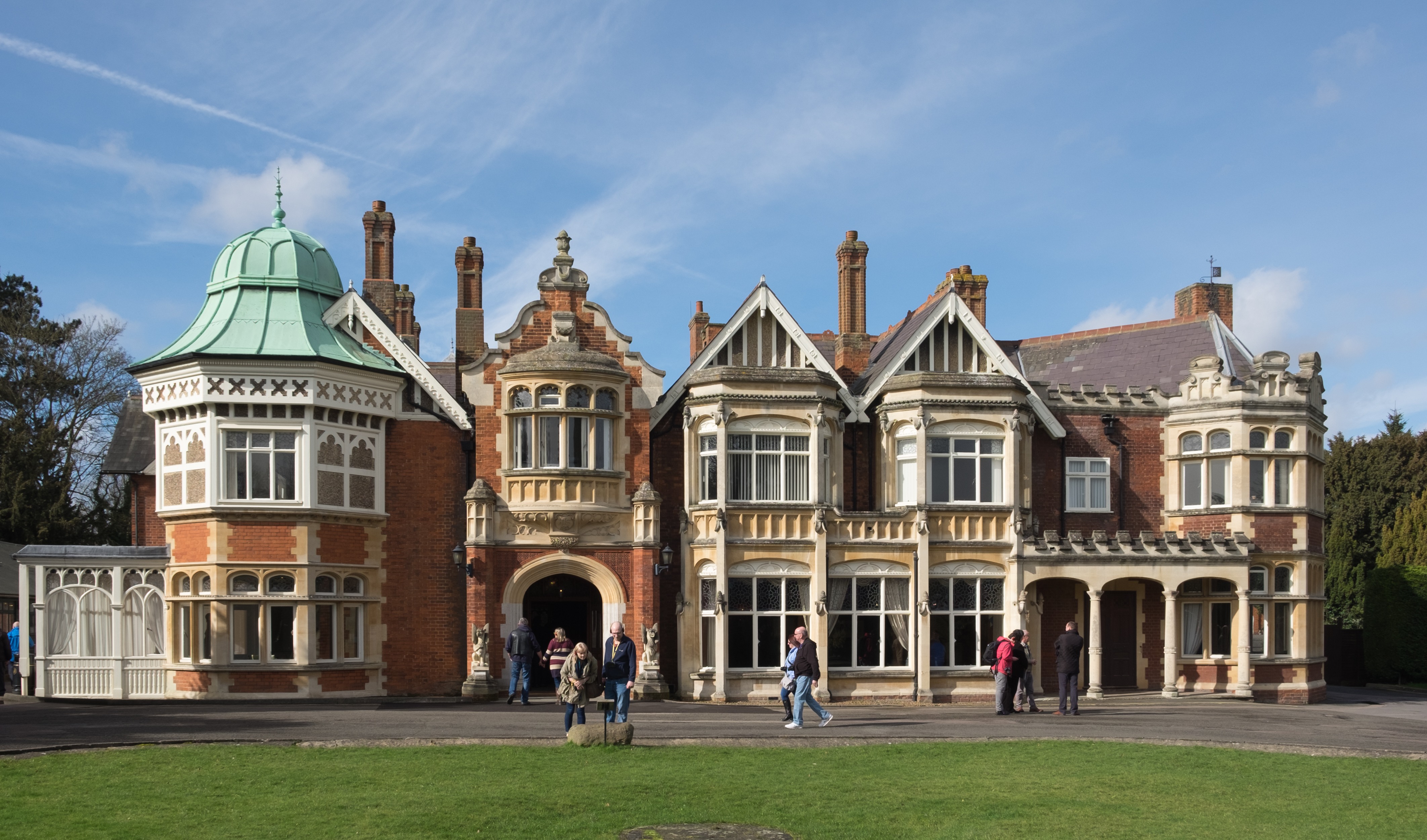
Summary: On November 1, 2023, the Bletchley AI Safety Summit marked a historic moment of international cooperation, as 28 nations gathered at the site of the wartime codebreaking center to sign the Bletchley Declaration, a pioneering commitment to coordinate governance and risk management for the most powerful frontier models.
The AI Safety Summit, held on November 1, 2023, in Milton Keynes, UK, was a landmark diplomatic event that brought together world leaders, technology corporations, and research scientists to address the potential dangers of rapidly advancing machine intelligence. Hosted at Bletchley Park, the summit drew a direct line from the foundational logic of the Alan Turing era to the modern challenges posed by global-scale computing. The resulting Bletchley Declaration represented the first global consensus on the need to manage the existential and security risks associated with frontier models, moving the discourse of technology from pure innovation to responsible oversight.
| Historical Attribute | Milestone Registry Value |
|---|---|
| Classification Type | event |
| Chronological Date | 2023-11-01 |
| Coordinates / Location | Milton Keynes, UK |
| Curation Authority | Nick Hodder + MIA |
| Milestone Importance | standard Milestone |
How does AI Safety Summit Bletchley fit into the history of artificial intelligence?
The summit served as a symbolic and practical bridge between the early days of computing and the current era of scale. By holding the event at the home of the Colossus Computer, the organizers emphasized that the challenge of safety is as old as the field itself. From the theoretical foundations of the Turing Test Proposed in 1950 to the subsequent development of neural architectures like the McCulloch-Pitts Neural Model, the field has evolved toward increasing autonomy. The Bletchley summit acknowledged that as machines move from performing simple logical tasks to executing complex, multifaceted reasoning, the governance frameworks established in the early 21st century—such as those following the Dartmouth Workshop and subsequent AI Winter 1—must be updated to account for risks that are now global in scope.
What are the core technical achievements of AI Safety Summit Bletchley?
While the summit was a diplomatic achievement, it relied on a foundation of technical transparency. The central outcome, the Bletchley Declaration, was signed by 28 nations, including the United States, China, and members of the European Union. The agreement established a shared framework for identifying "frontier AI"—defined as highly capable general-purpose models that could pose significant risks to public safety, cybersecurity, and societal stability. The summit fostered the creation of AI Safety Institutes in various countries, intended to work alongside technical breakthroughs like the The Transformer Paper architecture and the deployment of massive systems like the GPT-4 Multimodal Model. By addressing how to evaluate these models, participants aimed to standardize testing protocols before widespread public release.
Why is the legacy of AI Safety Summit Bletchley significant to modern computing?
The long-term legacy of the Bletchley Summit lies in the institutionalization of risk mitigation. Prior to this event, AI development was largely driven by proprietary research and individual company milestones, such as the release of the ChatGPT Launch or the training of LLaMA Foundation Models. The summit established that safety is an international responsibility, not merely a commercial one. It shifted the conversation toward the long-term impacts of systems that exceed the capabilities of older models like the DENDRAL Expert System or the AlphaGo vs Lee Sedol match. By fostering a culture of "Safety by Design," the summit ensured that future iterations of computation—ranging from hardware like the NVIDIA H100 GPU to sophisticated architectures—would be developed with global oversight, attempting to align the growth of machine intellect with human safety protocols.