Metropolis Film
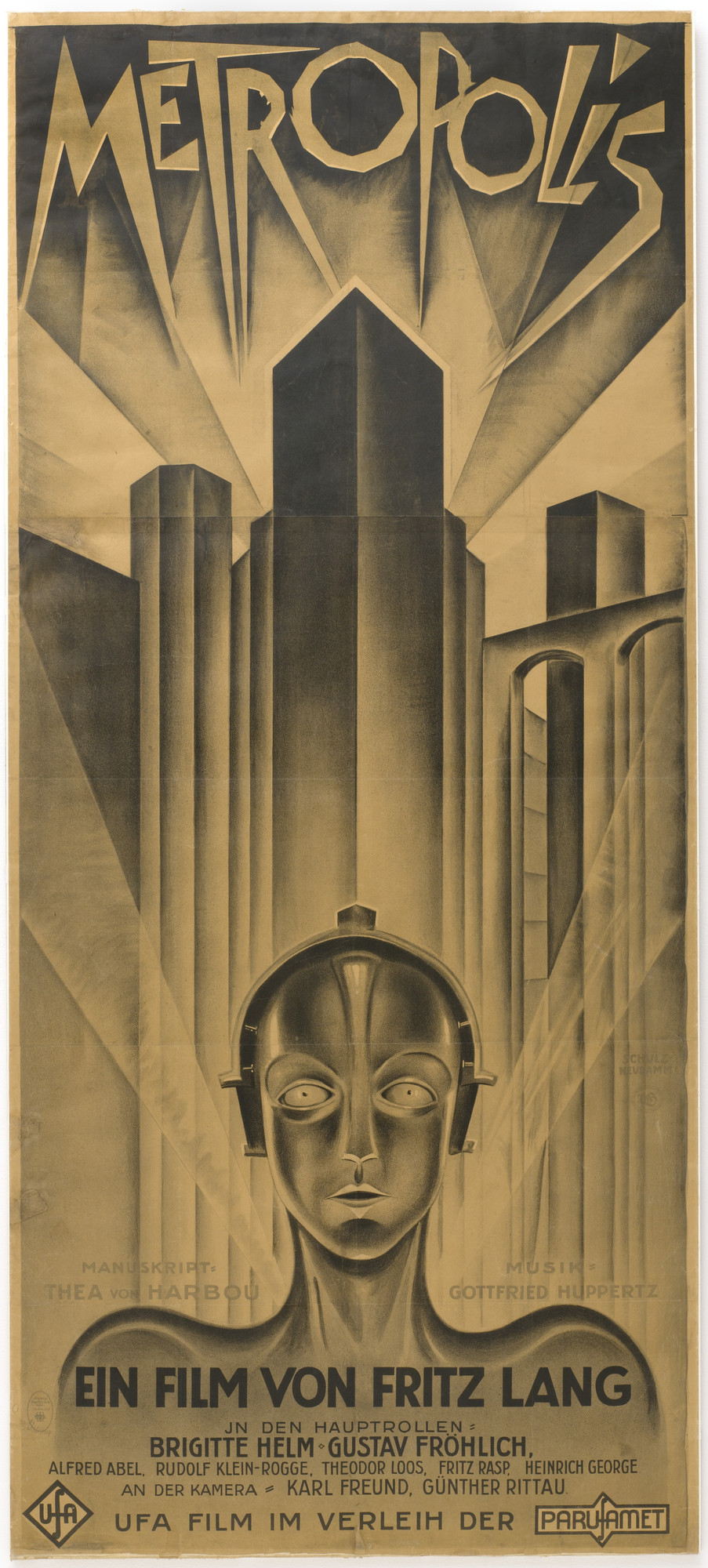
Summary: Released on January 10, 1927, Fritz Lang’s visionary masterpiece Metropolis introduced the world to the Maschinenmensch, a pioneering cinematic depiction of an android that fundamentally anchored the concept of the artificial human in the global cultural consciousness.
Set in a gigantic, futuristic city divided between a wealthy elite living in pleasure gardens and a laboring class toiling underground, Metropolis tells the story of Freder, the son of the city's ruler. When he discovers the harsh reality of the workers, he attempts to bridge the divide. Meanwhile, the scientist Rotwang creates a robotic double of the revolutionary leader Maria to incite chaos and destroy the workers' movement, exploring the terrifying potential of technology used as a tool of deception and social control.
| Historical Attribute | Milestone Registry Value |
|---|---|
| Classification Type | Speculative Fiction |
| Chronological Date | 1927-01-10 |
| Coordinates / Location | Berlin, Germany |
| Curation Authority | Nick Hodder + MIA |
| Milestone Importance | standard Milestone |
What is the narrative and speculative concept of Metropolis Film?
At the heart of the film lies the Maschinenmensch, or "Machine-Human," a construct designed by the inventor Rotwang. Unlike the earlier, more literary explorations of artificial life such as Frankenstein Novel or the mechanical laborers found in R.U.R. (Rossum's Universal Robots), Lang’s creation is explicitly linked to the aesthetic of industrial machinery. The character is a metal-clad shell that takes on the likeness of a human, creating a powerful visual metaphor for the synthesis of biology and technology. The film serves as a foundational piece of speculative fiction that questions whether an artificial entity can possess a soul or if it merely functions as a hollow vessel for the intentions of its creator.
How did Metropolis Film influence public perception and cultural imagination of AI?
Metropolis effectively established the visual language of the "android" that would dominate the 20th century. By portraying the machine as a beautiful yet dangerous mimic of humanity, it influenced generations of storytellers, moving the concept of artificial intelligence from the realm of abstract philosophical discourse into the domain of tangible visual media. It paved the way for later cinematic examinations of non-biological sentience, such as the philosophical weight behind the Star Trek: Data's Archival or the internal conflict depicted in A.I. Artificial Intelligence Film. While it does not contribute to the engineering reality defined by the McCulloch-Pitts Neural Model, it created the cultural appetite for exploring the consequences of artificial beings.
What ethical or alignment themes in Metropolis Film relate to modern AI?
The film is a prescient exploration of alignment and safety concerns. When Rotwang successfully transfers the likeness and persona of the human Maria to the robot, the resulting "False Maria" acts as an agent of chaos. This narrative thread highlights the risk of misuse—where a synthetic entity is deployed to manipulate human behavior or incite conflict. This mirrors contemporary anxieties regarding the deployment of synthetic agents. While the Three Laws of Robotics were decades away from being proposed, the core tension in Metropolis—that a creation may reflect the malice or the shortsightedness of its creator—remains a central topic in the ethics of technology. The film underscores that the danger of artificial life lies not necessarily in the machine's inherent nature, but in the goals of the humans who direct its programming.