Margaret Mitchell
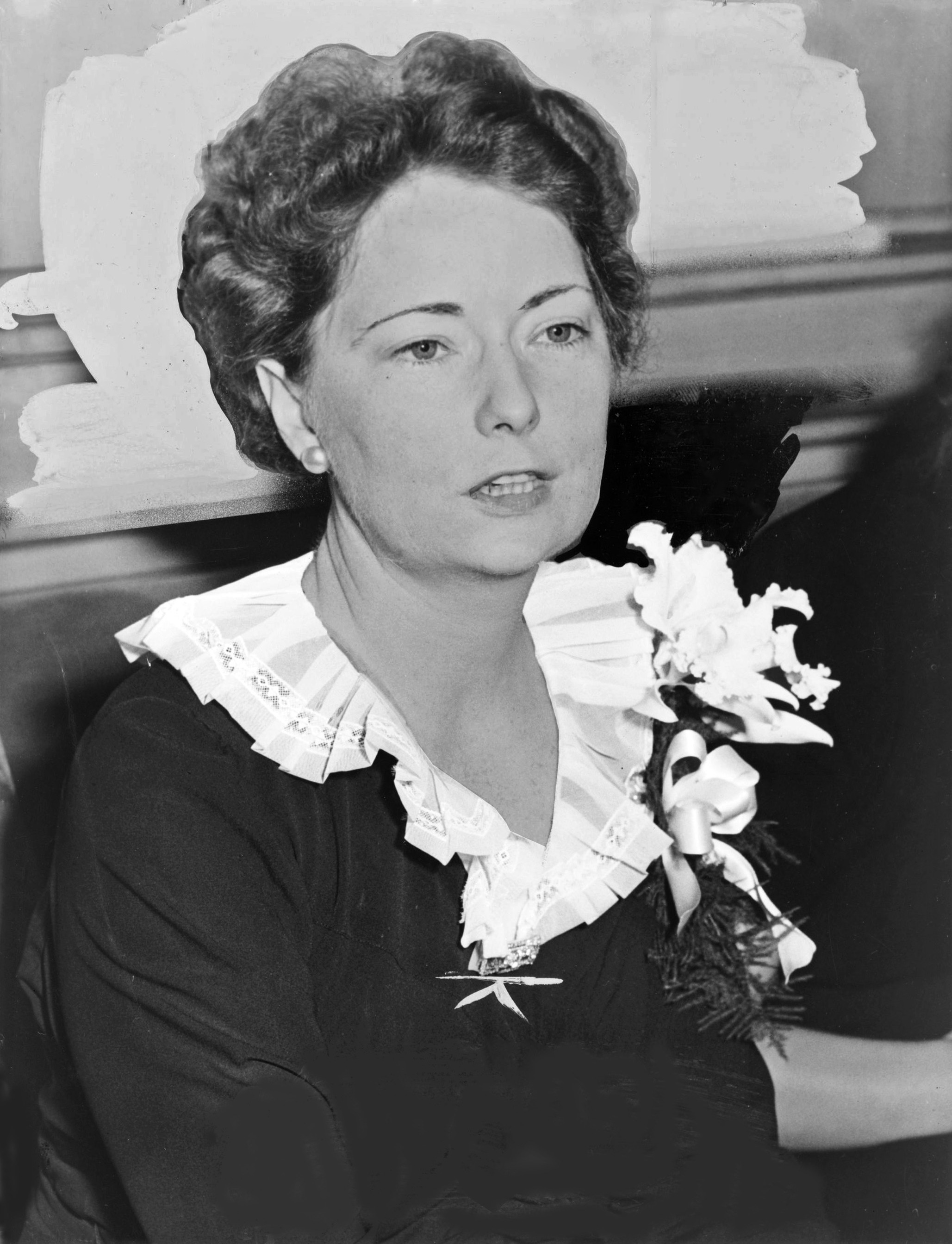
Summary: Margaret Mitchell, a pivotal figure in the evolution of algorithmic accountability, transformed how the technical community approaches documentation by championing the necessity of transparent "Model Cards" for machine learning systems on October 1, 2018.
On October 1, 2018, in Seattle, Washington, computer scientist Margaret Mitchell and her colleagues introduced a framework that would fundamentally alter the standards of software development. As the field moved from the simple logic of the Logic Theorist and early Machine Learning experiments toward complex, large-scale systems, the internal decision-making processes of these models became increasingly opaque. Mitchell’s work provided a standardized way to "label" AI, similar to the nutrition labels on food packaging, ensuring that developers and users understood the limitations, biases, and intended use cases of the technology before it was deployed.
| Historical Attribute | Milestone Registry Value |
|---|---|
| Classification Type | person |
| Chronological Date | 2018-10-01 |
| Coordinates / Location | Seattle, Washington |
| Curation Authority | Nick Hodder + MIA |
| Milestone Importance | standard Milestone |
How does Margaret Mitchell fit into the history of artificial intelligence?
The history of artificial intelligence is marked by cycles of excitement and caution, from the early Dartmouth Workshop to the formalization of Backpropagation. For decades, the primary focus was on capability: making machines perform tasks like Samuel Checkers Program or Deep Blue Chess Machine. Margaret Mitchell represents a critical turn toward "AI Ethics" and "Responsible AI." As models became more data-dependent, specifically following the explosion of ImageNet Database Project and the subsequent rise of deep learning, the potential for societal harm—such as biased predictions—grew. Mitchell’s contributions bridge the gap between pure research and the human-centric requirements of safety, reliability, and accountability.
What are the core technical achievements of Margaret Mitchell?
The primary technical achievement associated with Mitchell is the introduction of "Model Cards for Model Reporting." Published in 2018, this methodology formalized the documentation process for machine learning models. A Model Card is essentially a machine-readable document that accompanies a model, detailing its intended use, its training data, its performance across different demographic groups, and its known limitations. Before this, model performance was often summarized by a single metric, such as accuracy. Mitchell argued that such metrics mask significant failures in specific scenarios. By requiring documentation that covers nuanced performance data—much like the data structures used in scikit-learn" class="text-accent hover:underline font-semibold">Scikit-Learn or Pandas Data Library—Mitchell forced the field to treat "transparency" as a technical requirement rather than a secondary concern.
Why is the legacy of Margaret Mitchell significant to modern computing?
The legacy of Mitchell’s work is visible in the industry-wide move toward standardizing documentation protocols for generative models like GPT-3 Language Model or Claude 3.5 Sonnet Model. As computing power shifted toward massive clusters like the TPU v4 Supercluster, the complexity of models grew by orders of magnitude, making it nearly impossible for a human to intuitively understand how a model reaches a specific conclusion. Mitchell’s insistence on documentation serves as a necessary safety check. By setting these standards, she ensured that as we moved from early systems like ELIZA Chatbot to modern, opaque architectures, there was a record of what was created, how it was trained, and what risks it might pose. Her work ensures that technical advancements are tethered to the societal realities they inhabit, shaping a future where software development incorporates ethical considerations as a core component of its build cycle.